Blog
How Do You Make Interiors Earthquake-Resistant?
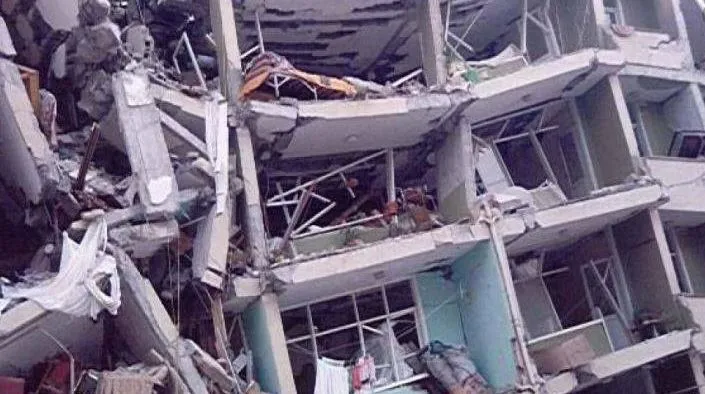
In this article we look at earthquake-resistant buildings and earthquake-resistant interiors. The Elazığ and Malatya earthquakes we have experienced one after the other recently showed clearly that we have not learned from earlier earthquakes.
When the interior and exterior designs of buildings are prepared and carried out, resistance to natural disasters, and to earthquakes in particular, is not treated as a priority. The only priority is keeping costs down, and so inexperienced builders are chosen over specialist firms.
Although our country lies in an earthquake zone, these issues are overlooked for the sake of low cost, and important projects are handed to builders who lack the necessary competence. In this series of articles, we will explain in turn what waterproofing, floors, walls, suspended ceilings, furniture and accessories, the essentials of an earthquake-resistant interior, should be like.
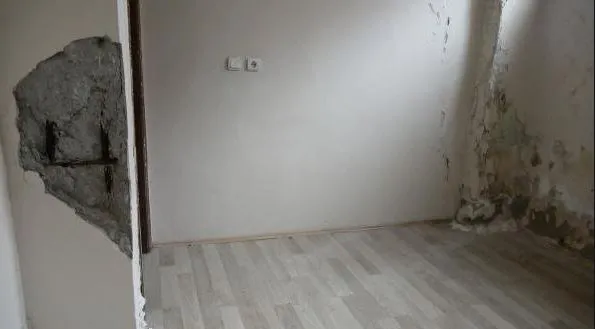
Buildings today may have dazzling façades and interiors, but what matters most is that the foundation is sound and the foundation insulation is installed correctly. Foundation insulation protects not just the ground but the whole structure. Foundation waterproofing extends the life of the building and is one of the most important steps towards earthquake resistance.
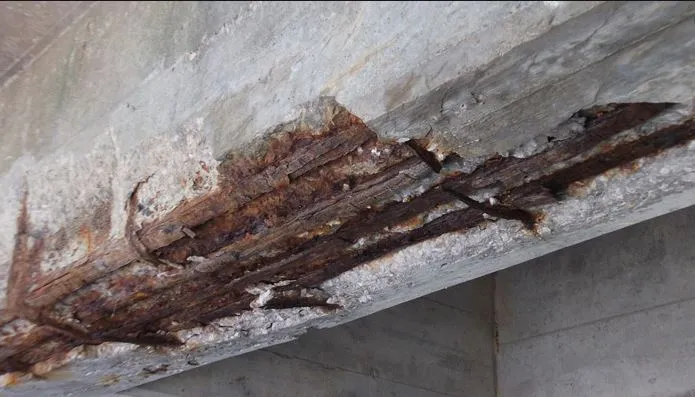
If there is a leak or damp anywhere in the building, part of the structure is corroding. In that case, measures must be taken to make the whole building earthquake-resistant. We explain what needs to be done in detail in our next article.
Corrosion rots, earthquakes destroy. Our lives are not that cheap.
The HBS Mimarlık family